
Buying a Sarasota Condo: Reserves, Assessments, and the Documents That Matter

Condos are the most misunderstood segment of our market right now, and they are also where I see the biggest gap between a good buy and a bad one. Values in this category have fallen further than single-family homes, which has created genuine opportunity and genuine risk sitting side by side on the same street.
If you are shopping condos on the Gulf Coast, here is what actually matters. Almost none of it is the unit itself.
Why Condo Values Fell Further
The numbers tell the story. Over the past year condo values in our metro declined more than single-family values did, as I covered in the market update. The gap is not random.
Older buildings across Florida have come under real financial pressure. Reserve funding requirements, structural inspection obligations for older buildings, and rising insurance costs at the association level have all landed at once. When an association is underfunded, the shortfall shows up as special assessments, and buyers price that risk in.
This is why two condos with identical floor plans in neighboring buildings can be worth very different amounts. You are not just buying a unit. You are buying a share of an association’s balance sheet.
The Documents Are the Real Inspection
On a single-family home, the inspection is the centerpiece of due diligence. On a condo, the association’s financials matter at least as much. Here is what I go through with clients:
- Reserve study and reserve funding. How much is set aside, and how does that compare to what the building will need? Underfunded reserves are the clearest predictor of future assessments.
- Special assessments. Any currently levied, recently completed, or being discussed. Read the meeting minutes, not just the disclosure.
- The master insurance policy. What it covers, what the deductible is, and what you are responsible for insuring yourself.
- Structural inspection status for older buildings, and what the findings were.
- Budget and dues history. How fast have dues risen over five years?
- Litigation. Active lawsuits can affect both your risk and your ability to finance.
- Rental rules and minimum lease periods, if income is any part of your plan.
Meeting minutes are the most underrated document in the stack. Owners argue about the roof and the assessments there long before any of it becomes official.
Financing Can Be the Hidden Obstacle
Something buyers do not expect: the building has to qualify, not just you. Lenders evaluate the association’s finances, the percentage of units that are owner-occupied versus rented, whether a single owner controls too many units, litigation, and reserve adequacy.
A building that does not meet those standards can be difficult or impossible to finance conventionally, which shrinks the buyer pool when you eventually sell. If you are paying cash, that is still worth knowing, because it affects your exit.
Ask early whether the building is warrantable. It is a simple question that can save weeks.
What Your Dues Actually Buy
Do not evaluate dues by whether the number feels high. Evaluate what they cover. Some associations include insurance, water, cable, exterior maintenance, and amenities. Others cover far less. A building with higher dues and strong reserves is frequently the better financial decision than a cheaper one deferring its maintenance onto your future.
The cheapest dues in a building with no reserves are not a bargain. They are a bill that has not arrived yet.
Where the Opportunity Is
Now the encouraging part. This segment has repriced, and buyers currently have leverage, choice, and time to do proper diligence. For the right buyer, that is a real opportunity.
Well-run buildings with healthy reserves, completed inspections, and updated systems are out there, and they are being priced alongside troubled ones by a market that is painting with a broad brush. Sorting the two apart is exactly where a careful agent earns their fee.
Condos also suit a specific lifestyle beautifully. If you are a seasonal resident or you want to lock the door and travel, the association handling the roof and the landscaping is the entire point. I get into that trade-off in my guide for snowbirds deciding whether to rent or buy.
Questions to Ask Before You Write an Offer
If you take nothing else from this article, take this list to your next showing:
- What are the current reserves, and when was the last reserve study?
- Has there been a special assessment in the last five years, and is one being discussed now?
- What is the master policy deductible, and what am I responsible for insuring?
- Has the building completed any required structural inspection, and what did it find?
- How much have dues increased over the past five years?
- Is the building warrantable for conventional financing?
- What percentage of units are owner-occupied?
- What are the rental rules and minimum lease terms?
A well-run association answers these readily. Hesitation or vagueness is itself information, and I pay close attention to how quickly and completely a board or management company responds.
Where to Look
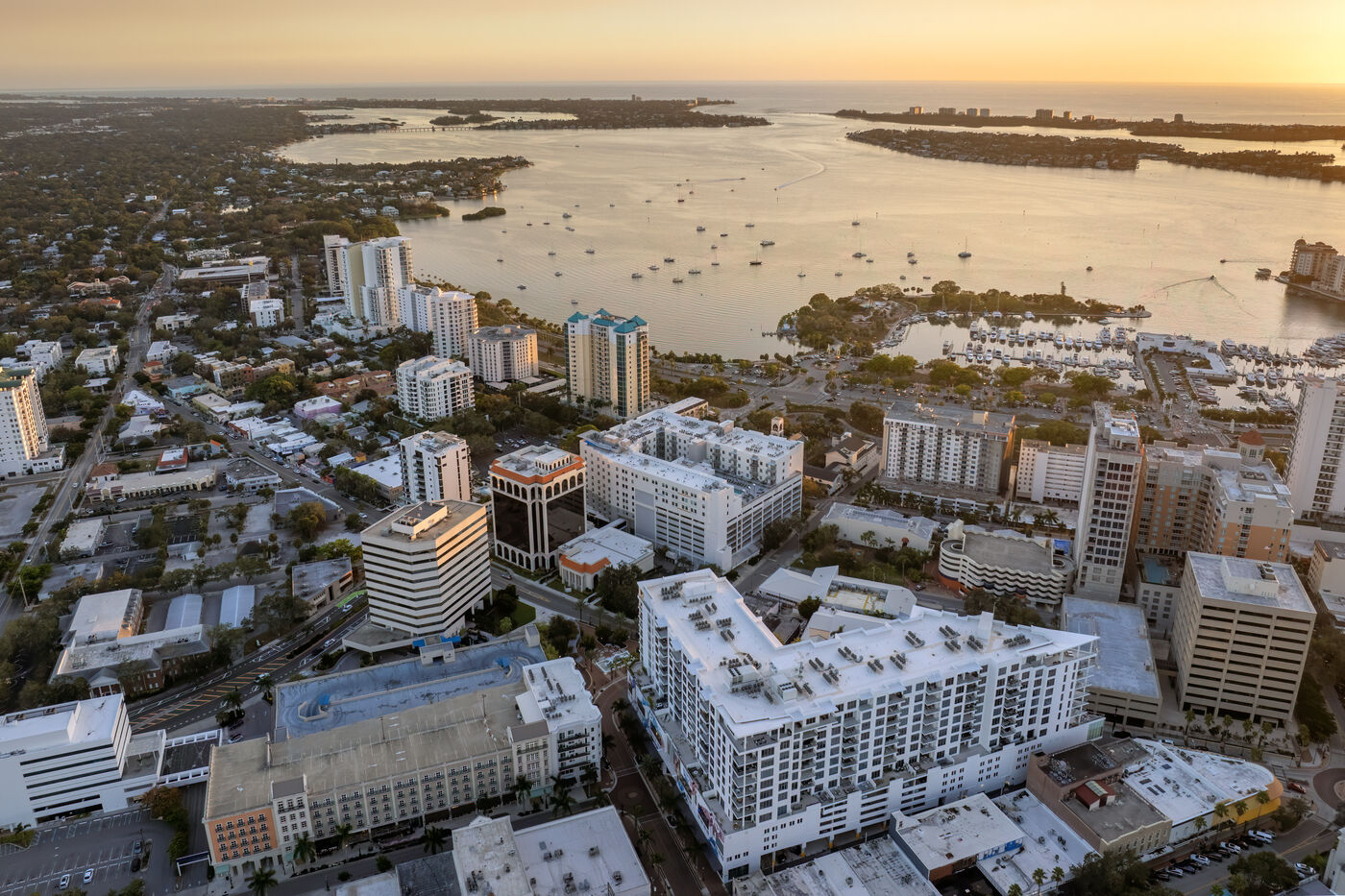
Lido Key offers Gulf-front buildings within walking distance of St. Armands. Longboat Key has resort-style buildings with deep amenity packages. Downtown Sarasota offers walkability and bay views. Siesta Key combines beach access with a village. Each has a different profile of building ages, and building age is closely tied to the financial questions above.
Insurance Works Differently on a Condo
Your association carries a master policy on the building, and you carry a separate policy for the interior and your belongings. What falls on which side of that line varies by association, and it is spelled out in the governing documents rather than assumed.
What surprises buyers is the master policy deductible. On a large building facing a hurricane deductible, the association’s share can be substantial, and if reserves do not cover it, owners are assessed for the difference. That is a risk you take on the day you close, and it is worth understanding before you do.
My Advice in One Sentence
Buy the association first and the unit second.
You can renovate a kitchen. You cannot renovate an underfunded reserve account or a deferred structural repair. If you want someone who will read the minutes, ask uncomfortable questions, and tell you to walk away when the numbers do not work, reach out any time.
General information only. Association rules, reserve requirements, and lending standards change. Review all documents with a qualified attorney and confirm financing requirements with your lender.