Siesta vs. Lido vs. Longboat: Which Sarasota Island Is Right for You?

“We want to be on the water.” I hear it constantly, and it is a completely reasonable thing to want. But once someone says it, the real work begins, because our barrier islands are not interchangeable. They attract different people, cost different amounts, and feel entirely different to live on day to day.
Here is how I break down the three islands buyers ask about most, along with the two smaller ones people often overlook.
Siesta Key: Energy, Sand, and a Village
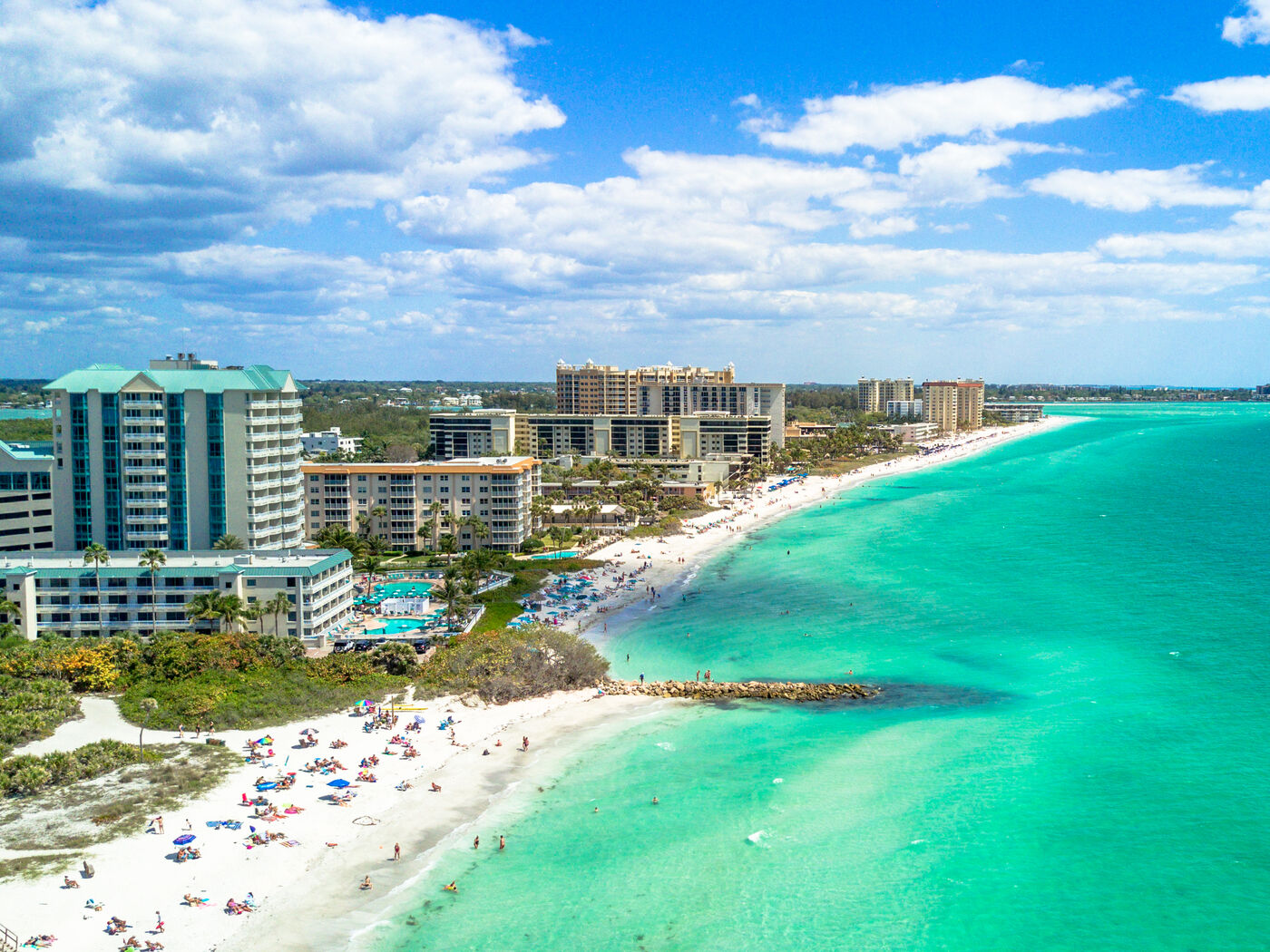
Siesta Key is the one everybody has heard of, and the beach deserves the reputation. The sand is roughly 99 percent quartz, which is why it stays cool underfoot in August and why it photographs the way it does.
It suits you if you want the beach to be part of daily life and you like having a walkable village of casual restaurants and bars nearby. The north end near Siesta Village is social and lively. Head south toward Crescent Beach and Turtle Beach and it quiets down considerably.
The honest trade-off: in season it gets busy and the bridges back up. Residents plan around it. If you want serenity in February, this is not your island, and I would rather tell you that now.
Lido Key: Beach Plus a Walkable Circle
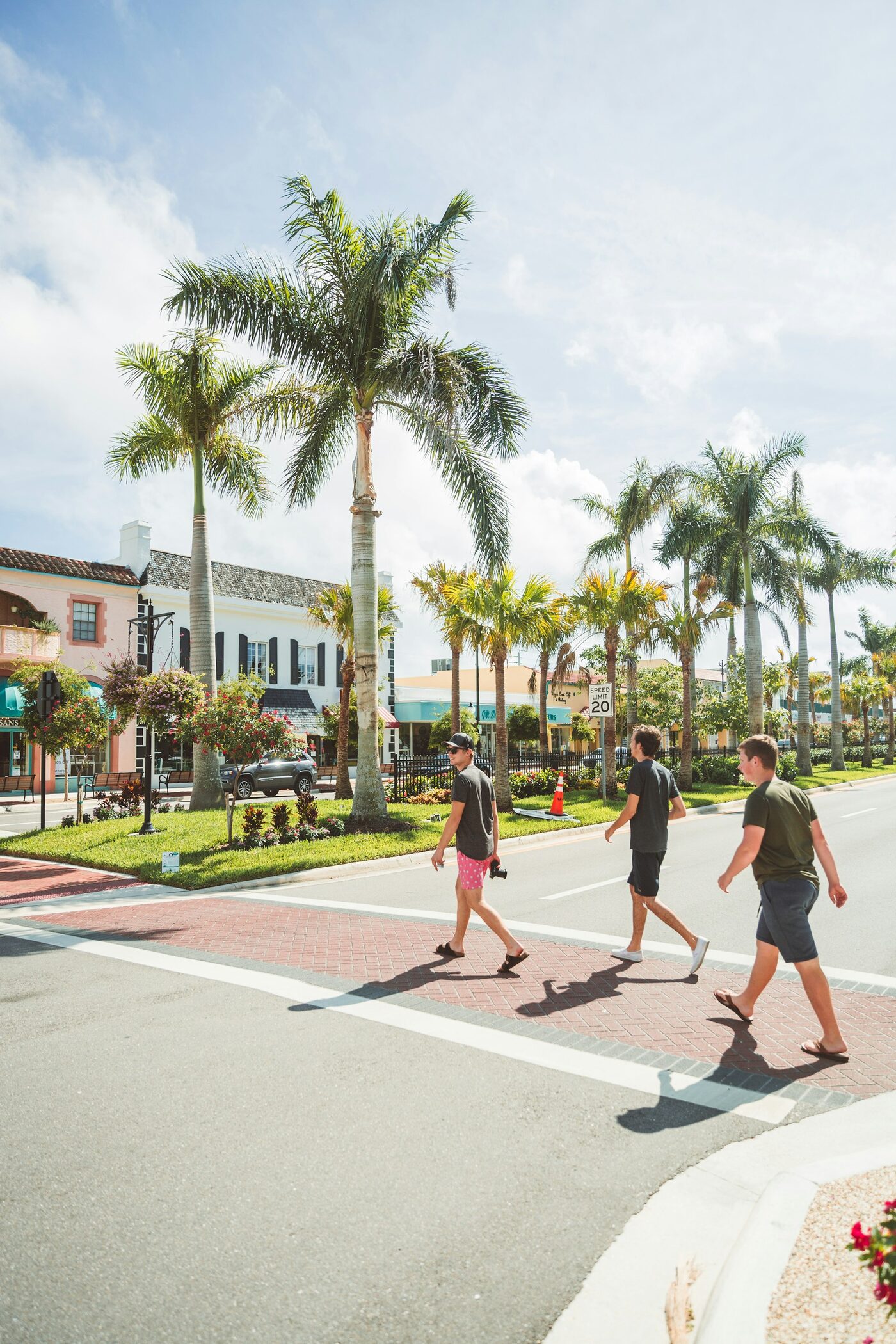
Lido Key offers something the others do not: a genuine beach lifestyle with St. Armands Circle, a real shopping and dining district, right there. Being able to walk from the sand to dinner and a bookstore is rare.
It suits you if you want island living without giving up the city. Downtown Sarasota is minutes across the bridge, so culture, restaurants, and medical care are all close. Inventory skews toward condominiums, including full-service Gulf-front buildings, which appeals to lock-and-leave owners.
The honest trade-off: the circle draws crowds, and it is not a quiet residential island. If you want a house rather than a condo, your options are more limited here than on Siesta or Longboat.
Longboat Key: Quiet, Refined, and Spread Out
Longboat Key runs for miles between the bay and the Gulf, and it is noticeably calmer than the other two. There is no central village. The island is largely residential, organized around beach access, golf, tennis, and boating.
It suits you if you want privacy and quiet, you are drawn to club life, or you want deep-water dockage on the bay side. It attracts people who want their island to feel like a retreat.
The honest trade-off: everything is a drive. Groceries, restaurants, downtown. If walkability is high on your list, this is the wrong choice. The island also spans two counties, so taxes and services can differ depending on where along the key you land.
Two That Get Overlooked
Bird Key is not really a beach island, and that is the point. It sits in the bay between downtown and St. Armands, it is entirely single-family, and many homes have dock space. If you want a house with water access and want to be minutes from downtown, it is hard to beat. It is compact and built out, so inventory is genuinely limited.
Anna Maria Island sits further north in Manatee County and has kept its low-rise, old-Florida character. Pastel cottages, a free island trolley, and three distinct towns. The trade-off is distance: the drive to downtown Sarasota is meaningfully longer. For many buyers, that distance is exactly the appeal.
The Questions That Actually Decide It
When a client is torn, these four questions sort it out faster than any amount of touring:
- Do you want to walk to dinner? Yes points to Siesta Village or Lido. No opens up Longboat and Bird Key.
- House or condo? Bird Key is essentially all houses. Lido skews heavily condo. Siesta and Longboat offer both.
- Is a boat in the picture? That pushes you toward the bay side, and toward Bird Key or Longboat, where dockage and water depth are the conversation.
- How do you feel about season? This is the one people underestimate. Be honest about your tolerance for crowds and traffic from January through April.
What Every Island Buyer Needs to Check
Regardless of which one you choose, island property comes with homework that mainland property does not:
- Insurance and flood zone. This can swing your monthly cost dramatically. Get real quotes on the specific property, and read my guide to hurricanes, insurance, and flood zones before you shop.
- Rental rules, if income is part of your plan. They vary by property, association, and town, and they must be verified for the exact address.
- Condo association health. Reserves, assessments, and the master policy. This is where the pressure has been.
- Bridges and evacuation. A practical daily consideration and an emergency one.
What About the Mainland?
I would be doing you a disservice if I did not say this plainly: for many buyers, the mainland is the better answer.
Communities like Palmer Ranch put you minutes from Siesta Key without island pricing, island insurance, or island traffic every single day. You get more home for the money, easier access to groceries and medical care, and you can still be on the sand in fifteen minutes.
Some people need to wake up to water and nothing else will do, and I completely understand that. But plenty of buyers who arrive convinced they need an island address end up happier a few miles inland with a bigger house and a smaller insurance bill. Both answers are valid, and the point of touring is to find out which one you are.
Go See Them, Ideally Off-Season
My honest advice is to spend time on each island before committing, and if you can, visit outside of peak season as well as during it. The islands feel like different places in July than in February, and you should know both versions before you buy into one.
If you want a guided version of that, I am happy to spend a day showing you all three so you can feel the differences rather than read about them. I will also tell you when I think the mainland is a better fit for what you actually want, and sometimes it is. Compare all nine areas on my communities page, then reach out any time.