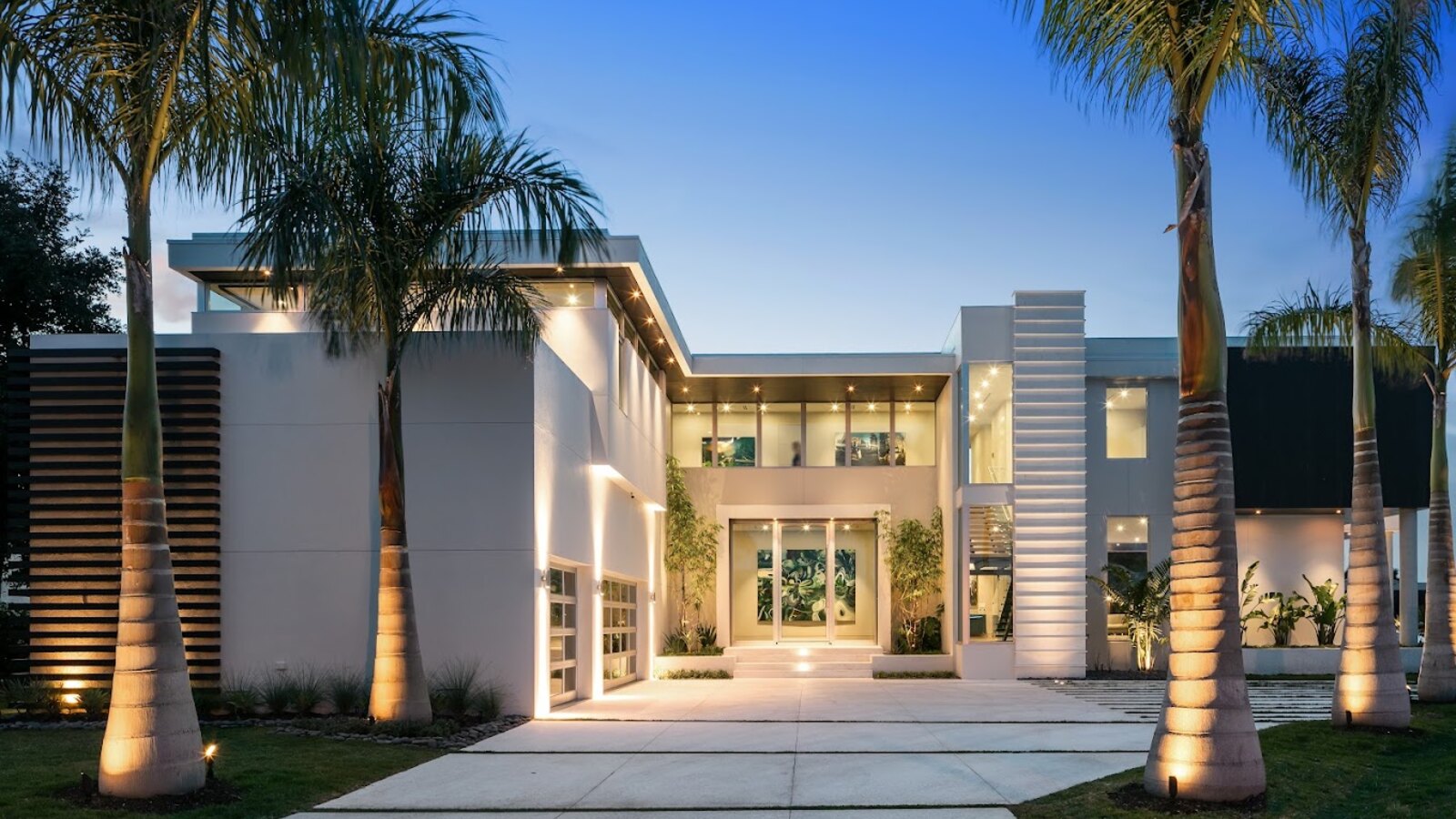
Build vs. Buy in Sarasota: An Honest Comparison

Should you build a home on the Gulf Coast or buy one that already exists? I get this question constantly, and the honest answer is that it depends on three things: your timeline, your tolerance for decisions, and how specific your vision is. Let me lay out both paths the way I do with clients, including the parts that do not show up in a builder’s brochure.
The Case for Buying Existing
You see exactly what you are getting. The house is standing. You can walk it, inspect it, see how the light hits the kitchen in the afternoon, and learn what the neighborhood sounds like on a Saturday. There is no imagination required and no gap between rendering and reality.
It is faster. Under contract to keys is typically measured in weeks. If your lease is ending, if you are coordinating a sale up north, or if you are trying to be a Florida resident by a particular date, that speed can be decisive.
Established neighborhoods have character. Mature landscaping, tree canopy, and a settled community are things a brand new street simply cannot offer yet.
Right now you have leverage. As I covered in my market update, buyers currently have time to negotiate and do proper due diligence, which was not true a few years ago.
The trade-off: you inherit someone else’s decisions, and on older Florida homes that means paying close attention to roof age, mechanical systems, windows, and how the house has weathered storms. Those details drive both your insurance premium and your future repair budget.
The Case for Building
You get exactly what you want. The floor plan, the finishes, the layout built around how your family actually lives rather than how someone else lived.
Current building standards. This matters more in Florida than almost anywhere. Newer construction is built to modern codes, often with impact-rated windows and sliders and current elevation requirements. That can translate directly into insurance costs, which is a real and ongoing line in your budget.
Less immediate maintenance. New systems, new roof, warranties. Your first several years should be quieter on the repair front.
The trade-off: time and decisions. Building takes patience, and there are a great many choices to make. Anyone promising an unrealistically fast finish is someone to be careful with. I got into this in depth with an architect in my conversation about building a custom home in Sarasota.
The Middle Path Most People Miss
There is a third option that suits a lot of buyers: a newly completed or nearly completed home from a builder. You get new construction quality, current codes, and warranties, without the timeline, the decision fatigue, or the risk of a build schedule slipping.
I toured exactly this kind of home in Gracewater recently, a finished house with a pool still to come, and it is a genuinely underrated path. You can walk it before you buy it, and you can often still choose some finishes if you go under contract early enough. You can see that walkthrough in my Gracewater tour.
Builders are also active with incentives right now, including rate buydowns, which makes this path more competitive against resale than it was during the boom.
Financing Works Differently
This surprises people. Buying an existing home means a conventional mortgage and a familiar process. Building from the ground up often means a construction loan, which typically draws in stages as work is completed and converts to permanent financing at the end. The qualification, the interest during construction, and the paperwork all look different.
Buying a completed builder home sits in between: it is usually a standard mortgage, and builders frequently offer incentives through their preferred lender, including rate buydowns. Those incentives can be worth real money, though they deserve the same comparison shopping you would give any loan.
What About Resale?
People rarely think about the exit when they are choosing between these paths, and they should. A highly personalized custom home is wonderful to live in, but the more specific your choices, the narrower the pool of future buyers who share your taste. That is not a reason to avoid building. It is a reason to keep the structural and layout decisions broadly livable and express yourself in the finishes.
Conversely, a well-maintained existing home in an established neighborhood with mature landscaping tends to have a durable, obvious appeal. Location does a lot of the work over time, which is why I push clients to get the neighborhood right first and the house second.
The Question Nobody Asks Early Enough: The Land
If you are building, the lot decides more than people expect. Setbacks, elevation, orientation, flood zone, and the shape of the parcel all shape what you can put on it, before you ever choose a floor plan. Overlay districts can add another layer of rules on height, style, and materials.
This is where I earn my keep on a build. Helping you evaluate a lot before you buy it, and flagging the constraints early, is far cheaper than discovering them after closing.
One More Factor: Insurance
I keep coming back to insurance because on this coast it drives decisions more than almost anything else. Newer construction built to current codes, with impact-rated openings and modern elevation requirements, frequently prices better on coverage than an older home with an aging roof.
That difference is not trivial, and it recurs every single year you own the home. When you are comparing an older house against a new build or a finished builder home, put real insurance quotes on both before you decide. A lower purchase price with a much higher annual premium and a roof replacement coming can easily be the more expensive choice over a decade.
How I Help Clients Decide
I ask three questions. When do you need to be in? How much of this process do you actually want to participate in? And how specific is your vision?
Someone who needs to be settled in ninety days and would rather not pick tile should buy existing. Someone with a clear picture, a flexible timeline, and genuine enthusiasm for the process should build. Most people land in the middle, which is exactly where that finished new-construction option shines.
Whichever direction fits, the community matters as much as the house. If you want to talk it through honestly, including the option I think is wrong for you and why, reach out any time.